


There’s a specific kind of panic that hits when you finally admit you might need help… and then immediately wonder if getting help is financially impossible.
For a lot of people, that fear stops the search before it even begins.
Maybe you’ve been googling treatment costs late at night with ten tabs open, trying to figure out what’s real and what isn’t. Maybe part of you already knows your drinking or substance use has become harder to control, but seeing large price numbers online makes you feel defeated before you’ve even made a phone call.
That reaction is more common than you think.
People exploring help in Baltimore, MD often arrive carrying two kinds of fear at the same time:
- Fear of staying stuck
- Fear they can’t afford to get unstuck
And if you’re sober curious — not fully identifying with the word “addiction,” but increasingly aware that something isn’t working anymore — the confusion can feel even heavier.
Because maybe your life still looks “functional” from the outside.
You still go to work.
You still answer texts.
You still show up for things.
But internally? You may feel exhausted from constantly negotiating with yourself about drinking, substances, or the version of your life you keep promising you’ll fix later.
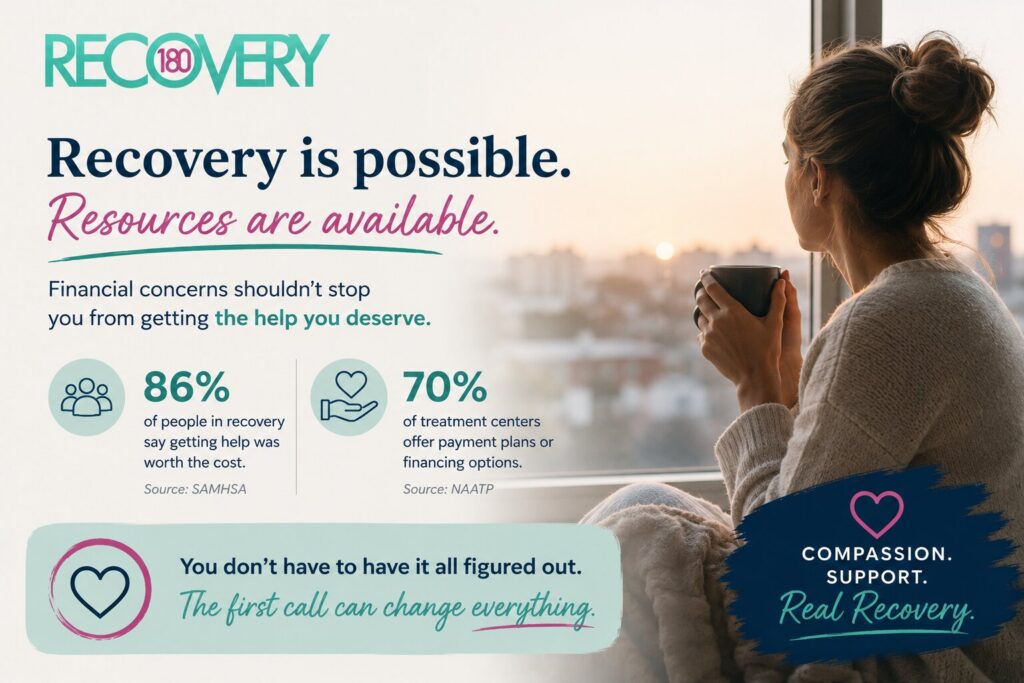
First: Not Having Insurance Does Not Automatically Mean Treatment Is Impossible
A lot of people assume treatment without insurance is reserved only for wealthy people.
That assumption keeps many people from even asking questions.
The reality is more nuanced.
Yes, live-in treatment can be expensive depending on the level of care, length of stay, and medical support needed. But there are also:
- Financing plans
- Payment options
- Different program levels
- Scholarship opportunities in some cases
- Flexible admissions support
- Alternative treatment pathways depending on need
The most important thing is this:
Don’t disqualify yourself before having a conversation.
Many people searching for treatment quietly talk themselves out of getting help long before anyone else does.
Understand What You’re Actually Paying For
People sometimes imagine treatment as “a room and a few meetings.”
That’s usually not what comprehensive live-in care involves.
You’re often paying for:
- A safe environment away from daily triggers
- Medical oversight
- Structured schedules
- Individual counseling
- Group therapy
- Emotional stabilization
- Meals and housing
- Case management
- Recovery planning
- Support during early withdrawal
- Accountability during vulnerable moments
For some people, especially those dealing with heavy alcohol use or multiple substances, stopping suddenly without support can also be medically dangerous.
That’s why treatment pricing varies so much from person to person.
Someone requiring detox and mental health support may need a different level of care than someone entering treatment earlier in the process.
And honestly, that’s part of why random online numbers can feel so misleading.
Don’t Let Luxury Rehab Marketing Convince You Every Program Costs the Same
This matters more than people realize.
When many people search for treatment costs online, the first programs they see are often luxury-focused facilities advertising pools, private chefs, or resort-style amenities.
Those places exist. Some people choose them.
But they are not the only option.
A quality treatment experience is not measured by marble countertops or ocean views. It’s measured by whether someone feels safe enough, supported enough, and stable enough to begin rebuilding their life.
You are not “failing recovery” if you need affordable care.
And you do not need the most expensive program in existence to deserve help.
Ask Questions Earlier Than You Think You Should
A lot of people delay reaching out because they think they need every detail figured out first.
They don’t want to sound irresponsible.
They don’t want to feel embarrassed.
They don’t want to hear “no.”
So instead, they wait.
Weeks pass.
Sometimes months.
Meanwhile, the substance use usually continues getting louder while life slowly gets smaller around it.
If you’re considering treatment, one of the best things you can do is simply ask direct questions early:
- What payment options exist?
- What level of care would I realistically need?
- How long do people usually stay?
- Is detox included?
- Are there financing resources?
- What happens if I can’t afford a long stay?
A good admissions team should help reduce confusion — not increase it.
The Emotional Cost of Waiting Matters Too
This part often gets overlooked.
People naturally focus on the financial side of treatment because it feels measurable. Concrete. Immediate.
But addiction and heavy drinking have costs too. They’re just harder to calculate at first.
Sometimes the cost looks like:
- Missing work repeatedly
- Living with constant anxiety
- Losing relationships slowly
- Waking up ashamed
- Spending money impulsively while using
- Avoiding people who care about you
- Feeling emotionally checked out from your own life
Other times, the cost is harder to explain.
It’s the exhaustion of constantly bargaining with yourself:
“I’ll slow down next week.”
“I won’t drink during the week anymore.”
“I’m not as bad as other people.”
“I can still function.”
That mental back-and-forth wears people down quietly over time.
Many people looking into inpatient rehab cost Maryland searches aren’t just looking for pricing. They’re trying to figure out whether change is actually possible for them.
You Don’t Have to Hit a Dramatic Rock Bottom
One of the biggest myths in recovery culture is that treatment is only for people whose lives are completely destroyed.
That myth keeps a lot of sober curious people stuck in limbo.
You do not need:
- Multiple DUIs
- Homelessness
- Public collapse
- Lost custody
- A near-death experience
before asking for support.
In fact, many people who enter treatment earlier often have more emotional stability, stronger support systems, and fewer long-term consequences to untangle later.
There’s no prize for waiting until things become unbearable.
Recovery Often Starts With Financial Fear
This surprises people sometimes.
But many clients first reach out while panicking about money, not because they suddenly feel emotionally ready.
The financial concern becomes the doorway.
They start by asking:
“How much does this cost?”
Then eventually, underneath that question, another one appears:
“What would my life look like if I actually got better?”
That second question is usually the harder one.
Because imagining recovery means imagining change. And change is vulnerable, especially if substances have become part of how you cope, socialize, sleep, relax, or emotionally survive.
Be Careful About Comparing Your Situation to Other People’s
Sober curious people often minimize themselves out of help.
They think:
- “I’m still employed.”
- “I’m not drinking in the morning.”
- “I haven’t lost everything.”
- “Other people need treatment more than I do.”
But addiction and problematic drinking don’t always look dramatic from the outside.
Some people are suffering quietly while maintaining appearances remarkably well.
High-functioning does not always mean healthy.
And sometimes the people who look the most “put together” are carrying enormous private exhaustion underneath.
What Affordable Treatment Conversations Should Feel Like
You deserve honesty without pressure.
A good conversation about treatment costs should feel:
- Calm
- Clear
- Respectful
- Human
- Collaborative
You should leave understanding your options better than before — not feeling manipulated into a decision.
If someone makes you feel ashamed for asking about affordability, that’s information too.
The right program understands that finances are part of real life. Especially for people making one of the biggest decisions they’ve made in years.
The Goal Isn’t Perfection — It’s Momentum
A lot of people delay treatment because they’re waiting to become completely certain.
Completely ready.
Completely committed.
Completely fearless.
That version of readiness rarely exists.
Most people begin recovery while scared.
While unsure.
While grieving.
While financially stressed.
While wondering whether they’re “really bad enough.”
You do not need total confidence to take a next step.
Sometimes hope starts very quietly.
A phone call.
An honest conversation.
A moment of exhaustion.
A realization that you don’t want to keep organizing your life around substances anymore.
That counts too.
If you’re exploring treatment options in Elkridge, MD or looking for compassionate support near Baltimore, Recovery180 can help you understand realistic options for care without pressure or judgment.
Frequently Asked Questions
How much does live-in addiction treatment usually cost without insurance?
Costs vary depending on the length of stay, medical needs, detox services, housing style, and level of support required. Some programs also offer financing or payment assistance options.
Can I still go to treatment if I don’t have insurance?
Yes. Many people enter treatment without insurance by exploring financing plans, private pay options, or different levels of care that better fit their financial situation.
Is detox included in treatment costs?
Sometimes, but not always. Detox needs vary from person to person, and medically supervised withdrawal may affect overall pricing.
Are there affordable treatment options in Maryland?
Yes. Treatment costs differ widely between facilities, and not every program is luxury-priced. Speaking directly with admissions teams can help clarify realistic options.
What if I’m not sure my drinking is “serious enough”?
You do not need to completely lose control of your life before asking questions about treatment. Many people seek support while still functioning outwardly but struggling internally.
Why do treatment costs vary so much?
Factors like medical staffing, mental health support, housing, detox services, program length, and intensity of care all affect pricing.
Is treatment worth the cost?
That decision is deeply personal. But many people eventually realize they were already paying emotionally, physically, financially, or relationally for addiction long before seeking help.
What should I ask during my first phone call?
You can ask about payment plans, treatment length, detox services, levels of care, financing options, and what support may fit your specific situation.
Call (410) 584-3155 or visit our Baltimore location to learn more about our residential treatment program services in Baltimore.